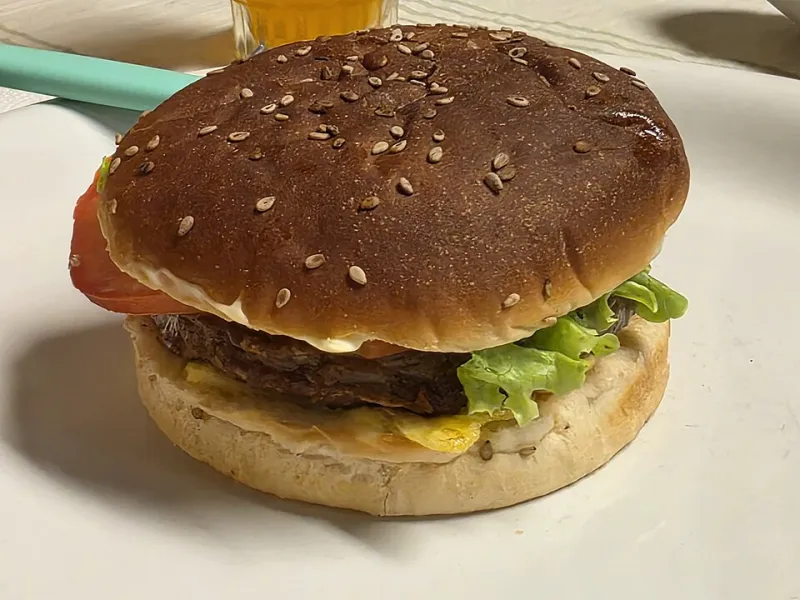
Fat Lies: The Ground Beef Myth That's Costing You Money and Flavor
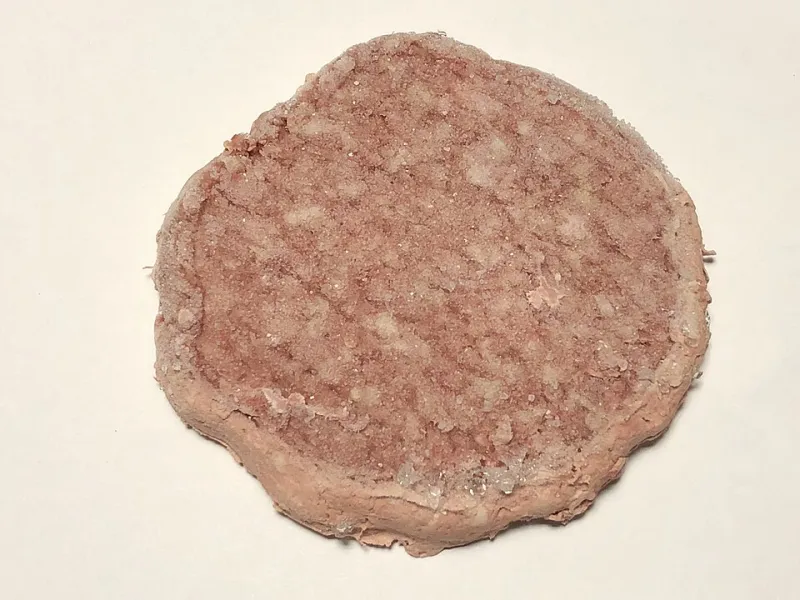
Photo: Famartin, CC BY-SA 4.0, via Wikimedia Commons
Let's get one thing straight before we go any further: spending $22 a pound on mail-order wagyu ground beef does not automatically make you a better burger person. It makes you a person who spent $22 a pound on ground beef. Those are two very different things, and somewhere between the artisanal butcher counter and your cast iron skillet, a lot of people have confused them.
We're not here to shame you. We're here to save you from yourself.
The ground beef aisle is one of the most deceptively complicated spaces in American grocery culture. You've got 80/20 next to 90/10, butcher shop brisket blends next to supermarket "premium" chuck, and an entire mail-order industry built on the idea that the cow's zip code matters more than what you do with it. So we did what any reasonable, beef-obsessed food site would do: we bought all of it, cooked it the same way, and ate our feelings.
Here's what we found.
The Fat Ratio Is the Only Math That Actually Matters
Before we talk price, we need to talk fat — because fat is where the flavor lives, and fat is where most people quietly go wrong.
80/20 ground beef (80% lean, 20% fat) is the sweet spot for burgers. This is not an opinion. This is physics. Fat renders during cooking, bastes the meat from the inside, and creates that deeply savory, slightly crispy crust that makes a burger worth eating. It also keeps the patty from turning into a hockey puck when it hits the heat.
People who buy 90/10 or — God help them — 93/7 because they think it's "healthier" are making a lifestyle choice, and that's fine, but they are not making a better burger. They're making a drier, sadder burger and paying extra for the privilege of eating less flavor. The fat you're trying to avoid is the fat doing all the work.
Here's the kicker: the cheapest 80/20 chuck in the supermarket cooler already has the right fat ratio. You solved the most important equation before you even looked at the price tag.
What Supermarket Beef Actually Gets Right
We tested three supermarket options: standard 80/20 ground chuck from a national chain (roughly $5.99/lb), a store-brand "premium" 80/20 blend marketed as "fresh-ground daily" ($8.49/lb), and a basic 85/15 sirloin option ($7.29/lb) for comparison.
The regular 80/20 chuck? Absolutely held its own. Cooked on a ripping hot cast iron with nothing but salt and pepper, it formed a legitimate crust, had real beefy flavor, and made a burger we'd eat again without hesitation. The "premium" store blend was marginally better in texture — slightly coarser grind, which we'll get to in a second — but not $2.50-a-pound better. The 85/15 sirloin was leaner, tighter, and honestly just kind of boring.
Conclusion: the boring 80/20 chuck is not the problem people think it is.
The Grind Coarseness Thing Is Real, Though
Okay, here's where the butcher shop crowd gets to feel a little smug — but only a little.
Grind coarseness genuinely matters for texture. Supermarket beef is often ground fine and then compressed into those neat little foam-tray cylinders, which can make the final patty feel dense and uniform in a way that reads as "cafeteria burger" even when the flavor is solid. A coarser grind — the kind you get from a butcher who ran the beef through once, not twice — creates more irregular pockets of fat and meat that give you better bite variation and a less meatloaf-y texture.
The butcher shop blend we tested ($13/lb, a house mix of chuck and short rib) had a noticeably better texture than the supermarket options. Looser. More interesting. The short rib fat hit differently — richer, almost buttery. Was it worth more than twice the price of the grocery store chuck? Honestly, not for a weeknight burger. For a special occasion smash or a backyard situation where you want people to talk about it? Maybe.
The move, if you want butcher-quality texture without the butcher price: ask your supermarket meat counter to grind chuck fresh for you, once, coarser than standard. Many will do it. Most people never ask.
Mail-Order Wagyu: We Need to Talk
We tested a mail-order wagyu/angus blend that shall remain nameless because we're not here to start beef (we absolutely are here to start beef, but not legal beef). It cost $28 per pound after shipping. It arrived in a very impressive box with a lot of dry ice and branding that suggested we were about to have a transcendent experience.
The burger was good. It was genuinely good. The fat content was high, the flavor was rich, and it had a luxurious quality that regular chuck doesn't quite replicate. But here's the thing about wagyu ground beef specifically: the traits that make wagyu special — the extraordinary intramuscular fat marbling in a whole cut — get homogenized when you grind it. You're essentially blending away the thing you paid for. What you're left with is very fatty, very flavorful ground beef. Which, again, is good! But it's not $28-a-pound good when $6 chuck with proper technique gets you 85% of the way there.
If you want to spend real money on wagyu, buy a whole wagyu cut and cook it whole. Grinding it is like buying a great bottle of wine and using it in a punch bowl.
So What Actually Wins?
Here's the uncomfortable truth we cooked our way to: technique beats sourcing almost every time.
The variables that most dramatically affected burger quality across all our tests had nothing to do with price:
- Salt timing. Salt your patties right before cooking, not before forming them, unless you want a sausage-textured situation.
- Pat formation. Handle the meat as little as possible. Stop compressing it like you're trying to make a decision.
- Heat. Your pan needs to be actually, aggressively hot. Not warm. Not medium. Hot.
- The flip. Once. Maybe twice. Stop touching it.
- Rest time. Two minutes. Just two. You can do this.
A $6 pound of 80/20 supermarket chuck, handled correctly, will beat a $28 mail-order wagyu blend that was over-worked, under-seasoned, and cooked on a lukewarm nonstick pan. Every single time.
The Verdict
Buy the 80/20 chuck. Ask for a coarser grind if you can swing it. Treat your butcher like a person and they might hook you up with a short rib blend on a good day. Save the fancy mail-order stuff for when you genuinely want to spend money on an experience, not because you think it's the secret ingredient that's been standing between you and burger greatness.
The secret ingredient is not the beef. It's knowing what to do with it.
No apologies. Just beef.